Peloton vs the fitness industry (investment and product review)
From the 11ish archive: written in August 2020. Prices, numbers and views are from then and are not investment advice today.
I first mentioned that everyone should buy into Peloton at the beginning of the pandemic, when all the news media insisted that Peloton was a fad that will dissolve like all the other at-home ideas. I insisted that with good management and a COVID crisis, this stock will be worthwhile and will CONTINUE to grow if the COVID crisis extends. No one could have predicted the staying power of this pandemic, but if you held on you would have made 200%.
Now that Peloton’s earnings are coming up, and a lot of things have changed both for Peloton and the fitness industry, let’s talk about the pros and cons of this investment that matter to me the most and how I think you should look at this opportunity for the next 3 to 6 months.
Why I love Peloton’s Value Proposition
Peloton started off as a high end bicycle with a patented digital experience that frankly kicked more ass than I thought was possible for a glorified bicycle. That was before my girlfriend bought one and I tried it. Now I get why there is so much brand love and I get why so many analysts just don’t get it. You really do have to try it to appreciate its value props.
What Peloton is, underneath it all is gamification of fitness. You have a digital profile with rewards, goals, achievements, constant stream of fresh content. This business model has worked for the gaming industry since the creation of role playing games and it works here.
Furthermore, having a diverse cast of instructors who play the type of music you want and effectively look you in the eyeballs while he or she motivates you to explore your limits is the type of personal training experience you really can’t appreciate until you’ve tried it.
Lastly, their agile startup business model of land and expand is a very smart business play, especially during the COVID lockdown. What I mean by this is that they went IPO on the bicycle. Now that they’ve successfully captured the niche market that is in home biking, they’ve expanded into running, yoga, meditation, free weight workout, stretching, and so much more. You can imagine that every new type of workout is a potential to catch another chunk of a niche market and that, ladies and gentlemen, is the tech startup’s way for sustainable explosive growth.
Do I think they could have grown this fast if COVID didn’t happen? Absolutely not, but 100% I believe COVID has expedited Peloton’s growth, and some key vindications can be seen by other remote services popping up like wildfire AND Lululemon’s purchase of Mirror, another at-home workout phenomenon for 500 million dollars. That’s SoftBank money, guys. That amount of money for a startup is Lululemon saying they don’t want to miss out on this fortuitous timing for new business opportunities. In fact, as a business idea, I like Lululemon’s approach a lot because they already HAVE brand love so they can effectively up-sell Mirror into their existing user base to have a solid kickstart for this new business arm.
Concern #1
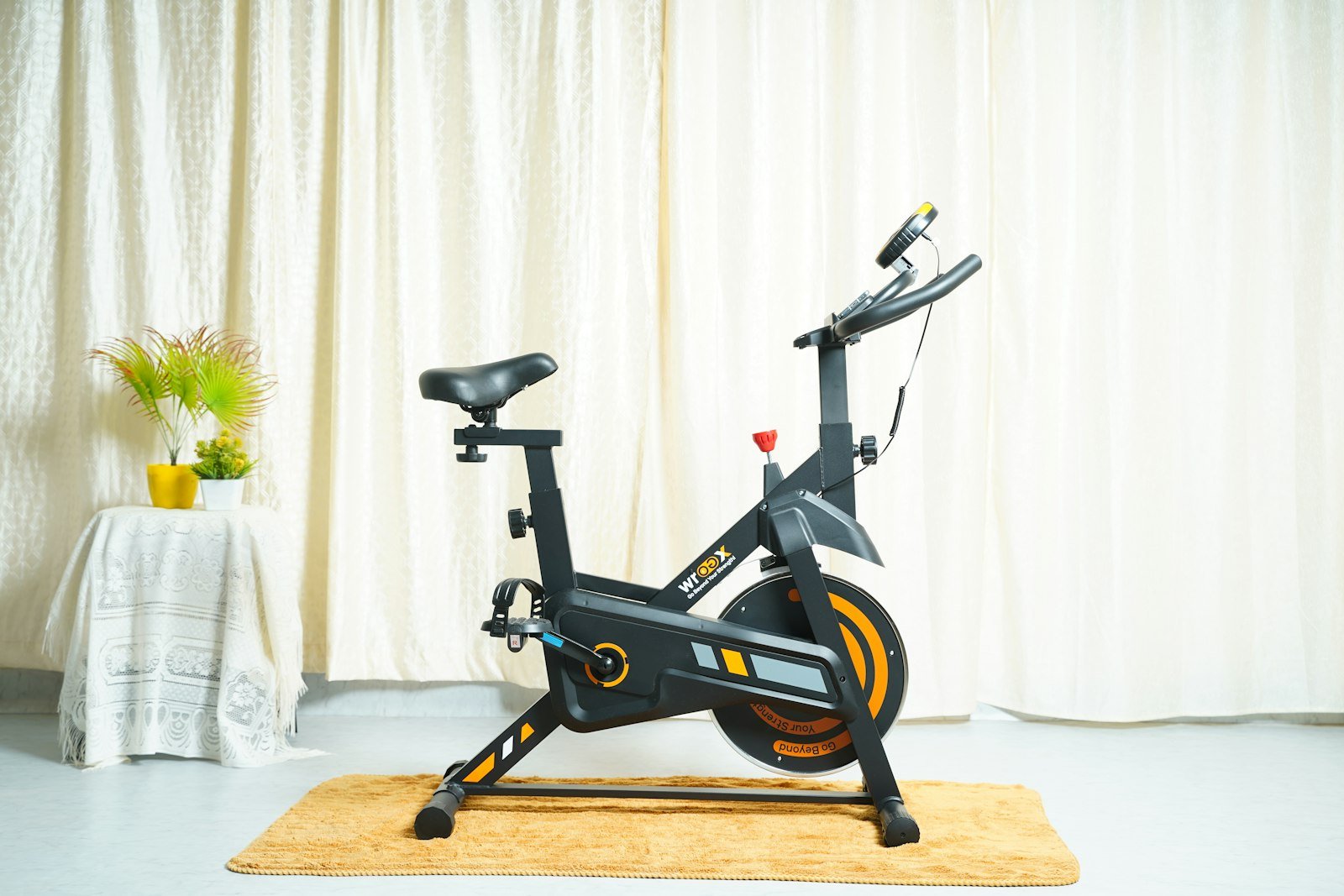
So in a way, that is my number 1 concern for Peloton. Peloton is no longer the only game in town. You’ve got Lululemon’s Mirror, you’ve got a rowing version, a boxing version, you’ve got a ton of cheap alternatives that seem to me to have forced Peloton to announce a cheaper version of their hardware.
All of this is vindication that there is a lot of money in the workout at home space, but only time will be able to tell whether Peloton can hold on to its reign as it tries to onboard new users with new workout requirements.
Concern #2
My second concern is I’m starting to feel like Peloton is on the verge of spreading itself too thin. I’d be remiss if I didn’t say I don’t like Peloton’s non-bike offerings. For example their beginner yoga is not beginner friendly to me. I mean the instructor is clearly a yoga master or whatever you call them these days. However, I felt like I was being led by a bored person who’s just going through the motions and hitting a specific number of poses in the allocated time. Meanwhile, I barely got into position for one and was already told to move to a different one. Another example is that their free weight workout program has none of the addictive gamification aspects of the Peloton bike.
All of these problems are fixable, but how Peloton moves forward in the next 3 to 6 months can greatly affect user engagement and its famously high user retention rate.
My last concern is that I think this stock is priced way high. At a 2 billion dollar annual revenue run rate, I do not know how that can justify a 20 BILLION dollar market cap. This doesn’t necessarily mean it’s overvalued because I am incredibly intrigued to find out how fast they’ve grown their business in the last quarter. I am holding through 100%, but the risk is that if they don’t meet expectations by failing to have an explosive user growth or if they report less than appealing user retention rates, I envision this stock tanking hard.
Summary
Full transparency, no one could have predicted the staying power of COVID and I recommended that my subscribers sell after some initial pops, but I’ve been swing trading this bad boy on the dip several times now and that is my recommendation to you as well. You might not have gotten the whole 200% in gain, but for me, I’m a lot more comfortable doing it this way because I sell when I feel like Peloton has hit my exit goal, I wait till I’m comfortable with current news that there is more room for Peloton to benefit from COVID, and so on and so forth.
In summary, if you are holding Peloton, the rational approach is to sell because a 10% increase 5 days before earnings comes out inevitably means hype or insider trading, so the upside is already built in which makes the upside smaller and risk for downsides higher. However, the market is definitely not normal right now so it’s not a bad idea to hold through earnings and reevaluate after results either. Frankly, that is what I’m doing. Especially because of the extension of many companies’ stay-at-home policies, I think the relative risk is minimal and this play is good for the next 3 to 6 months.
If you are NOT in Peloton already, the safest play is to wait till after earnings before you decide what to do, because if we holders lose money, we’re losing money made, whereas you’d be losing your bankroll.
Other stocks that might interest you are Lululemon, of course, but also Nautilus, as home workout gear has been selling out like hotcakes. If you’re really adventurous or confident about the home fitness play, you’d trade these 3 stocks, one earnings after another.
Disclosure: As of October 3, 2026, the author does not hold PTON or LULU. No payment was received for this post. This is commentary from August 2020, not investment advice.